
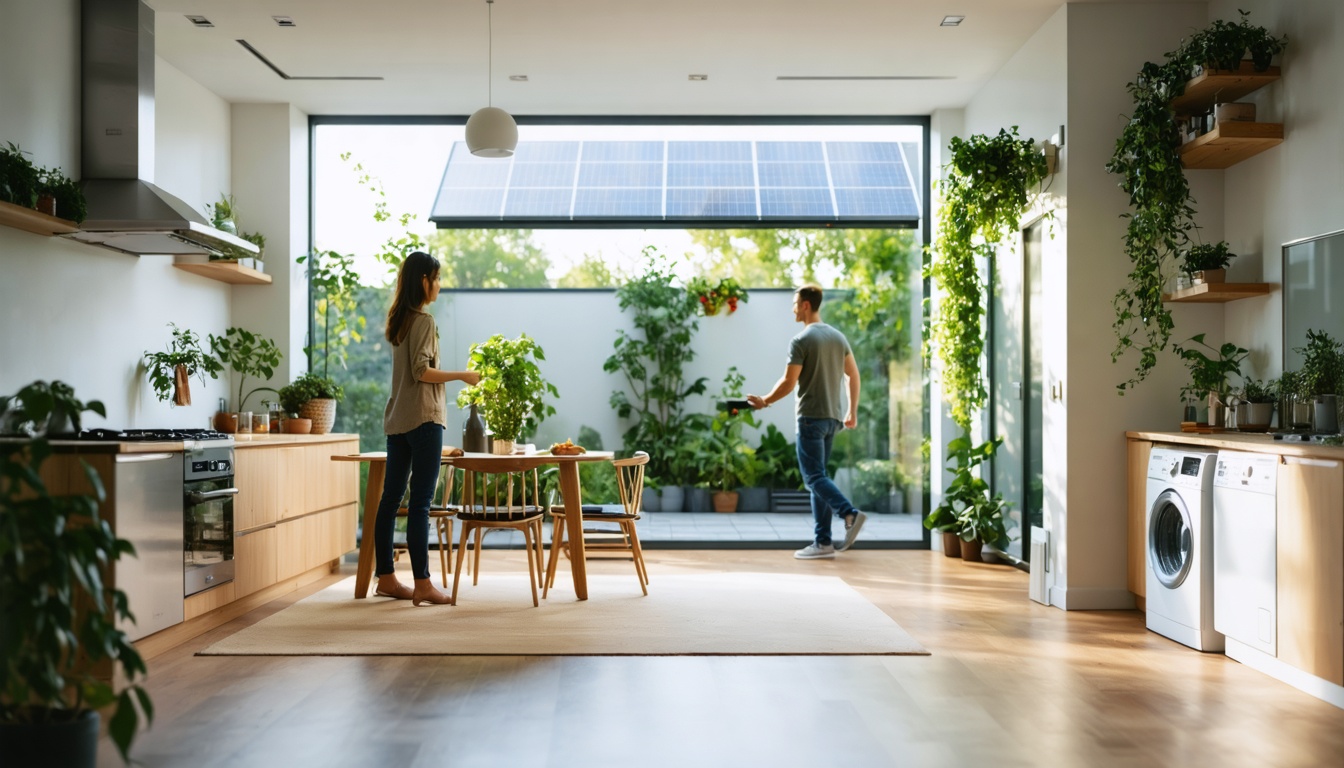
How Smart Energy Habits Can Reduce Household Electricity Waste
Many households are unaware of the extent of electricity loss that occurs daily due to common habits and outdated appliances. This energy waste can lead to increased utility bills and unnecessary environmental impact. Certain practices, such as leaving electronic devices plugged in when not in use and relying on older lighting options, can contribute significantly to energy consumption. Research indicates that appliances and electronics continue to draw power even when they are switched off, a phenomenon known as "phantom load" or "vampire power." Estimates suggest that this can account for 5-10% of a household's total electricity use. Additionally, older lighting technology, such as incandescent bulbs, is less energy-efficient compared to more modern alternatives like LEDs, which consume up to 75% less electricity and have a longer lifespan. Modifying energy consumption habits, such as unplugging devices when not in use, using smart power strips, and transitioning to energy-efficient lighting, can lead to measurable savings on electricity bills. Implementing these changes not only benefits the household financially but also contributes to broader efforts to reduce overall energy demand and environmental impact. For households looking to decrease their monthly expenses, focusing on these adjustments can yield significant results.
Understanding Residential Energy Consumption Patterns
Residential electricity consumption is heavily influenced by everyday habits and practices. To manage this energy use effectively, it is essential to examine the various factors contributing to electricity bills, which can be significant for many U.S. households.
Common practices, such as using outdated light bulbs, inefficient heating and cooling system usage, and frequent opening of the refrigerator door, can lead to higher energy consumption. For those looking to explore renewable energy options, Solar Energy Solutions in New Hampshire can provide sustainable solutions tailored to specific regional needs.
Additionally, devices that remain plugged in, commonly known as phantom power users, along with the operation of hot water heaters, also contribute to increased electricity costs.
Research indicates that implementing more energy-efficient strategies can result in notable savings. For example, replacing incandescent bulbs with LED options, consistently turning off lights not in use, unplugging unused electronics, and utilizing power strips to control multiple devices can help lower energy expenses.
These adjustments represent tangible steps towards improving energy efficiency and can provide long-term financial benefits for consumers without necessitating major changes to their daily routines.
Identifying Common Energy-Wasting Behaviors
Why do everyday actions in the home so often result in wasted electricity? Simple habits—like leaving lights burning in empty rooms or relying on energy-inefficient bulbs—can quietly drive up utility costs. Using LED light bulbs instead of incandescent ones saves Energy and reduces monthly cost. Unplugging devices and multiple electronics prevents phantom power losses, even when turned off. Keep in mind that frequent Refrigerator door openings consume a lot of cold air—minimize for significant savings. Turning off lights, choosing natural light, and using power strips for Plugged In Electronics can make a big difference. Small changes work long term, saving utility bills.
Optimizing Appliance and Electronics Use
Appliances and electronics account for a significant share of household energy consumption. Making minor adjustments to daily habits can lead to noticeable energy savings over time.
Using energy-efficient appliances is one effective method to reduce energy usage. These appliances are engineered to utilize less electricity while maintaining their functionality. Additionally, setting the water heater to a temperature below 140°F can further reduce the energy costs associated with heating water.
Another important consideration is the maintenance of appliances. Regularly cleaning the coils behind refrigerators and air conditioning units can enhance their efficiency. A build-up of dust and debris can impede performance, resulting in higher energy consumption.
For electronic devices, awareness of phantom power is crucial. This refers to energy drawn by devices when they are turned off or in standby mode. Unplugging unused devices or employing smart power strips that disconnect power from multiple devices can be effective ways to minimize this kind of energy waste.
Switching to LED light bulbs is another practical step, as they consume significantly less electricity compared to traditional incandescent bulbs.
Additionally, it is advisable to develop a habit of turning off lights when they are not in use and to maximize the use of natural light where possible, as this can further contribute to lowering energy costs.
In summary, adopting these straightforward practices can lead to long-term energy savings without sacrificing convenience or comfort.
Practical Strategies for Everyday Energy Savings
Everyday decisions within a household are important in managing electricity consumption. For example, turning off lights when they are not needed and unplugging appliances can lead to a decrease in energy use. This is particularly relevant in the context of phantom power, which refers to the energy consumed by electronics that remain plugged in even when turned off. One effective method for reducing phantom power consumption is the use of power strips, which allow multiple devices to be easily powered down simultaneously.
Another important consideration is the transition to LED light bulbs. These bulbs consume less energy compared to traditional incandescent options and generate less heat. This reduction in heat generation can be beneficial during warmer months, potentially lowering cooling costs and contributing to overall reductions in utility expenses.
Additionally, making use of natural light during daylight hours can enhance energy efficiency, while washing laundry in cold water is another practice that supports energy conservation. Furthermore, limiting the frequency and duration of refrigerator door openings is advisable, as each opening requires the appliance to expend additional energy to maintain its internal temperature.
Regular maintenance of home systems is also crucial for achieving energy efficiency. This includes tasks such as cleaning or replacing air filters in heating, ventilation, and air conditioning (HVAC) systems, as well as adjusting water heater settings to below 50°C.
These straightforward adjustments can improve the performance of household systems and lead to sustained energy cost savings over time. Collectively, these practices highlight the significance of adopting mindful energy consumption behaviors in household energy management.
Leveraging Technology for Greater Efficiency
Integrating technology into energy management can enhance efficiency and reduce electricity consumption. Smart meters provide real-time data on energy usage, allowing users to monitor consumption patterns and make informed decisions that could lead to savings over time.
Smart thermostats also contribute by optimizing heating and cooling systems. They adjust settings automatically based on usage and occupancy, potentially lowering energy costs while maintaining comfort levels.
Minimizing phantom power consumption through practices such as unplugging devices or using smart power strips is also essential. Devices in standby mode can draw power even when not in active use, which impacts overall energy consumption.
Transitioning to LED light bulbs and adopting mindful lighting habits—such as turning off lights when unnecessary and maximizing natural light—can further contribute to reduced utility expenses.
Additionally, plug-in power meters can effectively identify high-energy-consuming devices. By analyzing which electronics use the most power, users can implement targeted changes that may lead to significant savings.
Overall, these technological advancements provide a structured approach to promoting efficient energy usage.
Financial and Environmental Benefits of Smarter Energy Choices
Adopting efficient energy practices can yield both financial savings and reduced environmental impact for households. For example, switching to LED light bulbs is an economically sound decision. These bulbs require considerably less electricity than traditional incandescent bulbs and last longer, which contributes to lower energy bills over time.
The introduction of smart thermostats enables homeowners to manage heating and cooling more effectively by adjusting temperatures based on occupancy patterns, which further decreases energy consumption.
Addressing phantom power—energy that devices consume while they are turned off but still plugged in—is another practical consideration. Employing power strips that can be switched off or unplugging devices when not in use can help reduce this wasteful consumption.
Simple practices, such as ensuring refrigerator doors are closed, turning off lights when leaving a room, and utilizing natural daylight, can collectively lead to lower monthly utility costs without sacrificing comfort.
It is also essential to recognize that significant household systems, such as water heaters and heating systems, are major contributors to overall energy usage. Therefore, examining available incentives for upgrading to more energy-efficient appliances can offer economic advantages over time.
Incremental, targeted changes in energy consumption habits can accumulate, leading to substantial cost savings in the long run.
In conclusion, a strategic focus on energy efficiency can result in both financial benefits and a decreased environmental footprint.
Conclusion
Making incremental changes to daily routines can effectively reduce electricity waste and lead to lower energy expenses. Implementing simple habits, such as unplugging devices when not in use, utilizing energy-efficient lighting options, and ensuring regular maintenance of appliances, can cumulatively yield significant savings on energy bills. The adoption of smart technology also plays a critical role in managing energy consumption more efficiently. Smart thermostats, for example, can optimize heating and cooling schedules based on usage patterns, while smart plugs can schedule the operation of devices to minimize energy waste. Adopting these energy-efficient practices not only benefits individual households financially but also contributes to environmental sustainability by reducing overall energy demand. Over time, these habits can lead to a decrease in greenhouse gas emissions and a lower carbon footprint. Overall, integrating smart energy habits into daily life represents a practical approach for households aiming to achieve cost savings while supporting broader sustainability goals.